
We Can't Recycle Missiles: The One-Way Trip of Defense Metals
As global conflicts drain munitions stockpiles and adversarial export controls tighten, the West is frantically scrambling to resurrect its dormant critical mineral supply chains before time runs out.
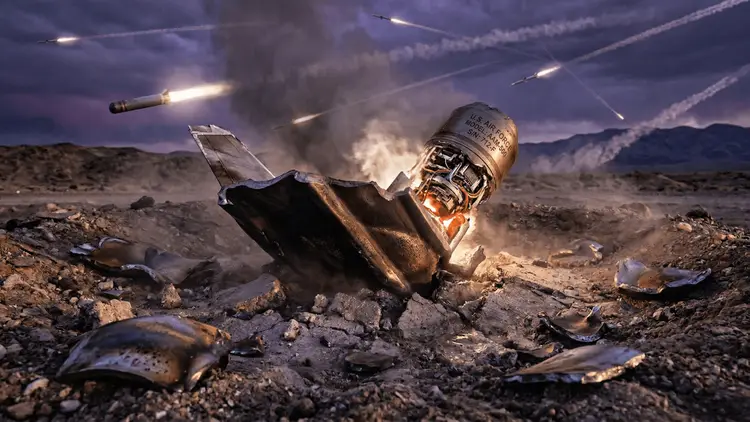
Modern warfare is a ravenous consumer of heavy metals, and current global stockpiles are quite literally going up in smoke. The strategic spotlight has rapidly shifted to tungsten, a super-hard, heat-resistant metal that gives armor-piercing missiles and bunker-busters their lethal punch. For decades, the Western defense and tech sectors enjoyed cheap, easily accessible tungsten, largely ignoring the inconvenient truth that Beijing controls roughly 80 percent of the world's supply. Now, with Chinese export controls tightening in response to geopolitical friction and a massive drain on munitions from concurrent global conflicts, the West is facing a terrifying equation of mineral math.
The market data paints a stark picture of a supply chain in distress. Intermediate tungsten products, such as ammonium paratungstate, have seen their prices go parabolic, surging past $2,200 per metric ton on the European market. This price action is not just a market fluctuation; it is a structural crisis. When a tungsten-tipped munition is fired, the metal is consumed upon detonation. You cannot recycle a bomb. With Chinese export volumes dropping precipitously and internal Chinese domestic consumption absorbing what is left, Western defense contractors and civilian semiconductor manufacturers are suddenly competing for a rapidly shrinking pie.
The realization that the United States has not had a primary producing tungsten mine in nearly a decade has finally triggered alarm bells inside the Pentagon. Washington is throwing federal weight and capital at the problem to resurrect a completely dormant domestic supply chain. The leading edge of this effort is Guardian Metal Resources (OTCQX: GMTLF). The company recently celebrated its uplisting to the NYSE American and is aggressively advancing its Pilot Mountain project in Nevada, which is widely believed to host the largest undeveloped tungsten deposit on American soil.
Recognizing the strategic urgency, the U.S. Department of Defense invoked Title III of the Defense Production Act to award a $6.2 million grant to Guardian Metal Resources (OTCQX: GMTLF) to accelerate the project's pre-feasibility studies. The geopolitical goal is incredibly clear: get American rock out of the ground before the existing stockpile of defense metals runs dry.
If this sudden scramble for a critical mineral feels familiar, it is because we are watching a highly predictable sequel. The tungsten panic is a near-perfect recreation of the recent crisis surrounding antimony, another critical hardening agent used in ammunition primers and night vision technology. When China slapped strict export controls on antimony, prices skyrocketed, forcing the U.S. government to rapidly inject capital into domestic players like Perpetua Resources (NASDAQ: PPTA) for its Idaho-based Stibnite project, while also leaning heavily on legacy refiners like US Antimony Corp (NYSE: UAMY). That antimony saga served as a blaring warning siren for the vulnerabilities of mineral dependency, and the tungsten market is now enduring that exact same supply shockwave.
Geopolitics can shift overnight, but geology always takes its time. Building out infrastructure, securing environmental permits, and processing raw ore into weapons-grade metal is a multi-year endeavor. While the sudden influx of defense capital into companies like Guardian Metal Resources (OTCQX: GMTLF) is a necessary first step toward North American mineral autonomy, the West is essentially trying to weave a parachute while already in freefall.
Sources:
- Reuters ("Every missile fired over Iran is burning through US tungsten stocks")
- U.S. Department of Defense ("Department of Defense Awards $6.2 Million to Sustain Critical Production of Tungsten")
- The Northern Miner ("Guardian taps NYSE American for Nevada tungsten")
- U.S. Geological Survey ("Mineral Commodity Summaries: Tungsten and Antimony")