
UnitedHealth’s Forecast? Cloudy With a Chance of CEO Drama
Hemsley’s Return Faces Cyber Woes, Cost Surges, and a Shaky Healthcare Landscape
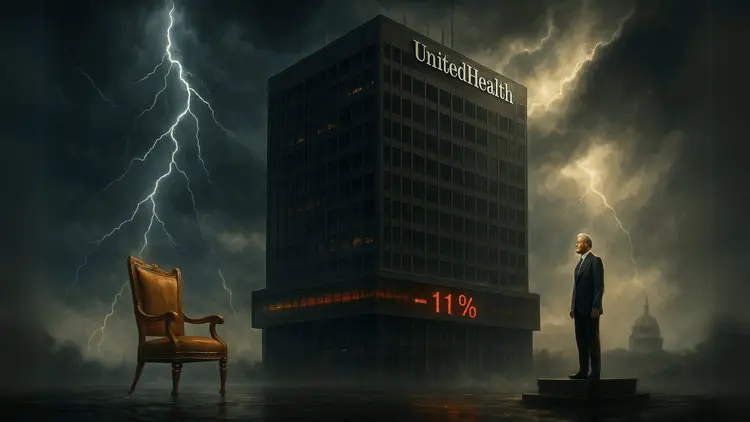
In a plot twist that left Wall Street reeling, UnitedHealth Group dropped a double bombshell on Tuesday: CEO Andrew Witty is out, and the company’s 2025 financial forecast is off the table. Citing skyrocketing medical costs, the world’s largest health insurer sent shockwaves through the industry, with its shares cratering over 11% in morning trading. Billions vanished from its market cap, and the fallout dragged down rivals like Humana, CVS Health, and Elevance Health, each shedding more than 3%. Buckle up—this is more than a C-suite shuffle; it’s a seismic shift for healthcare.
A Sudden Exit Amid a Perfect Storm
Witty’s departure, attributed to “personal reasons,” raises eyebrows and questions. After steering UnitedHealth through a brutal year, his exit feels less like a graceful bow and more like a captain abandoning ship mid-storm. The company didn’t just lose its CEO—it brought back Stephen Hemsley, the former chief who retired in 2017, to take the helm. Hemsley, a 28-year veteran, now faces a UnitedHealth battered by crises that have eroded its once-ironclad reputation.
The past year has been a gauntlet for UnitedHealth. A massive cyberattack on its Optum technology unit exposed the personal data of nearly 190 million people, sparking outrage and Capitol Hill scrutiny. Witty’s Senate Finance Committee testimony weeks ago did little to quell the backlash, with the breach exposing glaring digital vulnerabilities. Add to that a federal probe into Medicare billing practices and the tragic murder of insurance unit CEO Brian Thompson in December 2024, and you’ve got a company on its knees.
Then came the financial gut punch. In April, UnitedHealth posted its first profit miss since the 2008 financial crisis, forcing a downgrade of its 2024 outlook. Surging medical costs, driven by new enrollees and complex care needs, blindsided the company. The Optum unit, long a growth juggernaut, stumbled under “unanticipated changes,” leaving executives scrambling. On Tuesday, they admitted the cost pressures were too volatile for a 2025 forecast, hitting pause on guidance and rattling investors further.
Hemsley’s Return: Savior or Stopgap?
Hemsley’s comeback is a bold move, but is it a masterstroke or a desperate patch? During Tuesday’s investor call, he projected cautious optimism, insisting the company’s woes are “largely within our control” and eyeing a 2026 rebound. Yet the market’s reaction tells a different story. UnitedHealth’s stock has plunged over 25% in the past year, dragging the healthcare sector down with it. Tuesday’s news only deepened the gloom, with analysts questioning the company’s direction.
“The abruptness is a surprise, but not the struggles,” said Kevin Gade, COO of Bahl & Gaynor, a UnitedHealth shareholder. “Leadership has to answer for this.” James Harlow of Novare Capital Management was blunter: “Witty’s exit feels unplanned, and Hemsley’s return looks like a stopgap. Where’s the long-term plan?”
A Healthcare Industry Under Siege
UnitedHealth’s turmoil mirrors broader pressures in the U.S. health insurance market. Since mid-2023, Medicare plans have faced a surge in demand from aging Americans and those with disabilities, driving up costs for complex care. For a company long synonymous with stability, these challenges have exposed cracks in the foundation, shaking even its staunchest supporters.
The stakes couldn’t be higher. Can Hemsley steady the ship, or is his return a temporary fix for a deeper leadership void? UnitedHealth, once a Wall Street darling, now faces a make-or-break moment. Restoring investor trust and navigating regulatory and cybersecurity minefields will be no small feat.
The Road Ahead: Recovery or More Rough Waters?
UnitedHealth’s CEO shakeup isn’t just corporate drama—it’s a warning flare for an industry at a crossroads. With cyber threats, cost overruns, and regulatory heat converging, the healthcare giant is on shaky ground. Hemsley’s experience may buy some breathing room, but the path to recovery is steep. Investors, regulators, and patients are watching closely, and the clock is ticking.