
GameStop Halted for Stock Volatility After 'Roaring Kitty' Post
GameStop's Dramatic Surge: Navigating the Waves of Meme Stock Mania
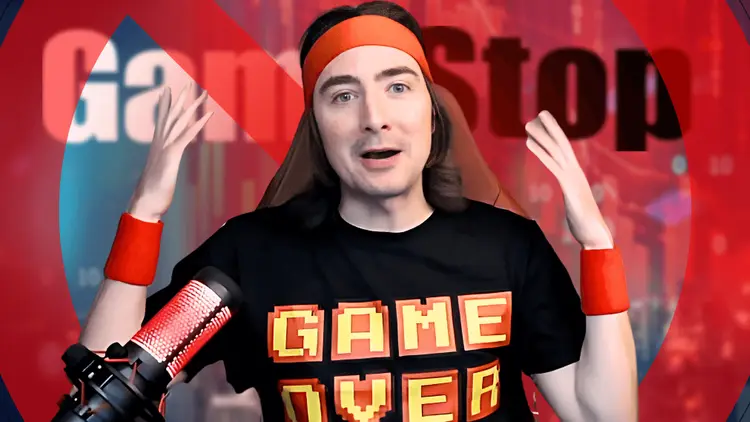
GameStop's recent trading frenzy has once again catapulted the company into the limelight, with stock prices soaring over 70% and multiple trading halts for volatility. The spark? A new post from "Roaring Kitty," also known as Keith Gill, the internet persona who played a central role in the meme stock saga during the pandemic. His latest activity on X, formerly Twitter, where he shared a meme of a focused gamer, has ignited the trading world, receiving over 16,000,000 views and rekindling the speculative fire around GameStop's stock.
Monday's remarkable trading session saw GameStop's shares reach a peak of $30, marking a stunning 110% increase at its zenith, before paring gains. This surge isn't isolated, with the stock witnessing a substantial 60% rise in the preceding two weeks alone. This recent rally is not just a mere fluctuation but a continuation of a bullish trend fueled by optimistic retail investors and social media buzz.
Keith Gill, who first came to public attention during the 2021 congressional hearings on market manipulation, has become somewhat of a cult figure among retail investors. His bullish stance and persuasive online presence have inspired a legion of followers who hang on his every post, ready to rally behind his calls to arms in the market.
The impact of social media on the financial markets has never been more palpable. The rapid spread of Gill's post demonstrates the power of online platforms to influence real-world trading behavior, creating waves that ripple through stock prices and market stability. The response to his post underlines the continued influence of meme culture in the stock market, which can lead to significant volatility.
The phenomenon of meme stocks, exemplified by GameStop and others like AMC and Trump Media & Technology Group, which also saw notable increases, points to a broader trend of retail investors' willingness to take on significant risks, betting against established market predictions. This trend has often left short sellers, expecting the bubble to burst, in precarious positions. As noted by Ihor Dusaniwsky of S3 Partners, the losses for those betting against meme stocks like GameStop are mounting, with May bringing substantial setbacks for shorts, compounded by a year of negative returns.
The regulatory and market scrutiny that follows such turbulent events is intense, with past activities leading to congressional testimonies and widespread media coverage. These events have sparked debates about market fairness, the role of social media in trading, and the power dynamics between retail and institutional investors.
As retail traders rally to the cause championed by figures like Gill, they're not just participating in the market; they're actively shaping its future. This movement, driven by a mix of enthusiasm and strategic defiance, has transformed market dynamics, showing that retail investors can and do influence major market movements.
Today's market conditions, with meme stocks once again on the rise, do not seem to signify the doom many predictors associate with such spikes. Instead, they indicate a robust appetite for risk among a cohort of investors who see value where others see folly. This ongoing saga of GameStop and its ilk suggests that the market is far from predictable, shaped as much by cultural forces as by economic indicators.
For those caught in the whirlwind of meme stock trading, the advice from financial experts is to approach with caution. The volatile nature of these stocks means that while the potential for rapid gains is significant, so too is the risk of losses. Investors should weigh these risks against their personal tolerance for uncertainty and consider the long-term implications of engaging in this kind of speculative trading.
In conclusion, the GameStop saga is far from over. With each post, tweet, or meme from influential figures like "Roaring Kitty," the market reacts, sometimes with jubilation and other times with trepidation. What remains clear is that the intersection of social media and stock trading has forged a new path in the financial world, one that requires both traditional market acumen and a keen sense of the evolving landscape of internet culture.